


The AI Revolution in Pet Tech: From Smart Gadgets to Predictive Ecosystems
he intersection of artificial intelligence and the pet industry has moved far beyond simple automation. As we navigate 2026, we are witnessing a paradigm shift: pet tech is evolving from reactive monitoring gadgets into a proactive, data-driven preventative healthcare ecosystem.
Driven by cutting-edge advancements showcased at recent global tech events like CES, here are the four major pillars redefining the "Pet x AI" landscape today.
1. Predictive Healthcare via AI Wearables
Early smart collars were primarily glorified pedometers with basic GPS tracking. The latest generation of AI-powered wearables (from pioneers like Tractive and new-age biometric bands) utilizes machine learning to establish a unique "health baseline" for every individual pet.
Micro-Behavioral Analysis: AI algorithms continuously monitor subtle changes in a pet's daily patterns—such as sleep quality, resting respiration rate, scratch frequency (for allergy tracking), and subtle gait variations (for early arthritis detection).
Pre-Symptomatic Detection: Instead of waiting for visible signs of illness, clinical-grade AI models can now flag indicators of chronic feline kidney disease up to years before clinical symptoms manifest, or screen for early-stage canine cardiovascular abnormalities with remarkable sensitivity.

2. Computer Vision & The Smart Home Ecosystem
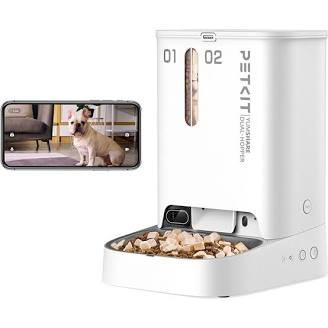
The leading trend among modern smart-home ecosystems (championed by brands like PETKIT and innovative AI startups) is the integration of computer vision to manage multi-pet households seamlessly.
AI-Powered Device | 2026 Core Innovations & Features |
AI Feeders & Fountains | Uses facial and biometric recognition to track exactly "who ate/drank how much." It instantly alerts owners to sudden drops in water intake, a primary risk factor for Feline Lower Urinary Tract Diseases (FLUTD). |
Smart Litter Boxes | Integrates cameras and load sensors to analyze waste consistency, color, and precise weight fluctuations, notifying owners of digestive anomalies via real-time app updates. |
Intelligent Pet Doors | Beyond RFID tags, modern pet doors use AI vision to identify the pet. Incredible new models even detect if a cat is trying to bring a "gift" (a bird or mouse) inside, temporarily locking the door to keep the prey out. |
3. Telehealth and AI-Assisted Veterinary Triage
At-home triage apps powered by advanced computer vision (such as TTcare) have achieved staggering accuracy.
By simply capturing a short smartphone video or high-resolution photo of a pet’s eyes, skin, or teeth, owners can run an instant, AI-driven screening for over 20 common dermatological and periodontal risks. This serves as an invaluable first line of defense, reducing unnecessary clinic visits while ensuring critical issues are fast-tracked to professional veterinarians, who are themselves adopting AI to cut X-ray and ultrasound diagnostic times in half.

4. Behavioral Interpretation & Content Personalization
AI isn't just about medicine; it is also deepening the emotional bond between humans and their animals.
Automated Daily Vlogs: Smart pet-monitoring cameras now use action-recognition AI to automatically isolate a pet’s highlights, funny moments, or unique behaviors throughout the day, compiling them into a ready-to-share short video for the owner.
Vocalization and Nuance Analysis: Sophisticated audio AI models are being trained on massive databases of canine and feline vocalizations. By analyzing the frequency, pitch, and duration of a bark or meow, these tools help owners interpret emotional states—distinguishing between playfulness, anxiety, boredom, or underlying pain.
💡 The Business Paradigm ShiftIn the current landscape, pet tech has fully transitioned from a hardware-centric market to a SaaS (Software-as-a-Service) ecosystem. Brands are no longer just selling a physical collar or feeder; they are selling a continuous subscription to an AI-driven peace of mind.



Comments